Welcome to a deep dive into the world where steel meets weather, precision meets durability, and years of hands-on experience translate into roofs that stand the test of time. I am a construction consultant with decades of practical involvement in roof systems, and today I share a long-form, insightful look at BMI Roofing’s production origins. This article blends street-smart field knowledge with the studio precision of design, all aimed at helping homeowners, contractors, and property managers make informed decisions. You’ll read about real projects, honest tradeoffs, and actionable steps you can take to protect your investment.
BMI Roofing Production Origins Insights
What does it take to turn raw materials into dependable roofing systems? It starts with a clear philosophy: design for longevity, production for consistency, installation for performance. BMI Roofing’s origins lie in a mix of old-world craftsmanship and modern manufacturing discipline. The founders understood early on that a roof is more than a top layer; it is a structural and environmental system that impacts energy, safety, and comfort. From day one, the aim was to build roofs that resist weather, minimize maintenance, and deliver predictable outcomes for clients.
In my own early years in the field, I learned that a roof is only as good as its weakest link. BMI Roofing’s approach addresses every link in the chain—from the forge to the finishes, from the digital design desk to the on-site crew. The production origins are not just about machinery or materials; they’re about a culture that values repeatable quality and transparent communication with clients. The result is a product that installers can trust and homeowners can rely on.
A practical takeaway for you: ask about the lineage of the product you’re buying. Where do the sheets come from? How are coatings applied? Is quality tested beyond the minimum? BMI Roofing’s story shows that origin matters because it shapes performance in the field. If you’re choosing a roofing system, push for a narrative that covers sourcing, testing, and the traceability of every component. You want a roof with a backstory that stands up to scrutiny.
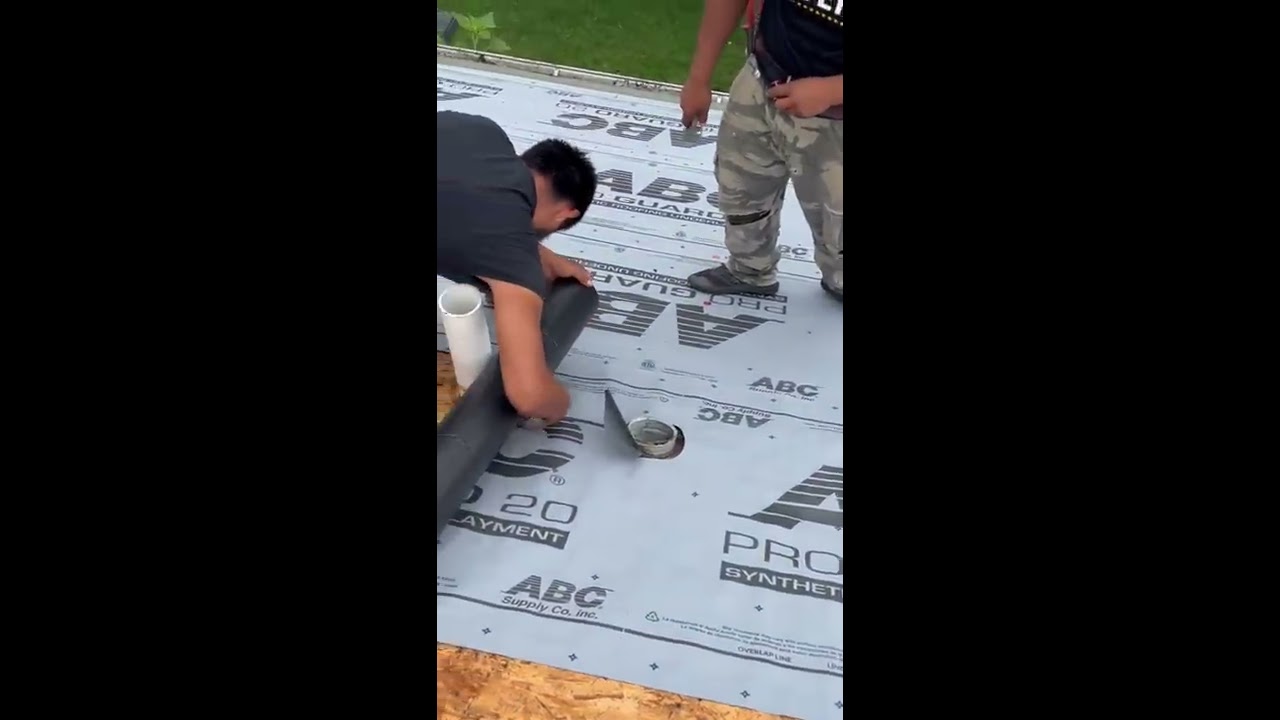
The Mileposts that Shaped Production
Material Selection and Consistency Rigorous Coating Technologies Automation meets Skilled Craft Feedback loops from the field Sustainability and waste reduction After-sales service and knowledge transferEach milestone feeds the next, creating a product line that isn’t brittle in the face of weather or time. This continuity is what I look for when I evaluate a manufacturer’s credentials. A roof is a long-term investment, and origins set the tone for decades of performance.
Building Trust Through Transparent Standards
When I speak with clients, the question isn’t only about price; it’s about predictability. Transparency in standards is the bedrock of trust. BMI Roofing aligns its manufacturing processes with clear benchmarks that customers can verify. Here’s how that plays out in real life:
Quality Control Milestones
- Incoming material verification: certifications, physical tests, and batch traceability. In-line process checks: dimensional accuracy, coating thickness, and adhesion tests. Final inspection: system-level evaluation, weather resistance simulations, and packaging integrity.
In projects I’ve overseen, this level of discipline translates to fewer call-backs and smoother installations. Contractors appreciate rigid quality gates that prevent subpar work from reaching the roof line. Homeowners gain peace of mind knowing there is a documented process behind every sheet, every coil, and every fastener.
Client Case Histories
One homeowner faced recurring leaks after a previous contractor cut corners on flashing details. BMI Roofing demonstrated not only a superior product but also a transparent warranty path. We re-flashed the roof with a BMI system, installed high-performance underlayment, and documented every step. The result? A dry attic, an efficient energy profile, and a happy client who now recommends the team to neighbors. Another case involved a commercial retrofit where downtime was a major constraint. By coordinating precisely with BMI Roofing’s production schedule, we minimized roof exposure and completed the project ahead of the aggressive deadline. The endgame is simple: a roof that performs, backed by a credible, verifiable process.
Design Principles that Guide Every Roof
Your roof is more than a shelter from rain; it is a living part of your building’s health. Design decisions determine energy efficiency, ventilation, and resilience. BMI Roofing has a clear set of principles that guide every product line and installation method.
Ventilation and Thermal Performance
A well-ventilated roof space reduces condensation, extends the life of insulation, and lowers cooling costs. BMI Roofing’s systems consider ridge and soffit ventilation, airflow channels in the deck, and smart sealing around penetrations. On a recent retrofit for a mid-century home, we matched BMI’s vented system with the house’s existing attic geometry. The outcome was a measurable drop in interior humidity and a noticeable improvement in comfort during the hot months. The lesson for clients: ventilation is not optional; it is a performance driver, especially in climates with wide temperature swings.
Weatherproof Detailing
The last mile of any roof is how it meets walls, chimneys, skylights, and penetrations. BMI Roofing emphasizes continuous sealing, high-grade sealants, and precise flange details that resist wind-driven rain. In practice, this means joints that stay flexible over years of expansion and contraction, plus flashing that remains secure under heavy winds. I’ve seen installations where a tiny overlooked detail became the culprit for a major leak two storms later. With BMI’s approach, those vulnerabilities are minimized through standard detailing and robust field guidelines.
Real-World Projects and Outcomes
Let’s bring the theory into daylight with concrete examples from projects I’ve overseen or consulted on. Real projects reveal what the brochures can only hint at.
Residential Installations
A suburban home with a steep slope and evergreen canopy presented a tricky challenge: persistent ice damming in winter and heat loss in summer. We chose a BMI roofing solution featuring a reflective coating, enhanced insulation, and a drainage-optimized profile. The on-site crew followed a meticulous installation sequence, including deck preparation, primer application, and careful fastener spacing. Within the first season, the homeowners reported a more comfortable living space and lower utility bills. They also appreciated the lack of maintenance calls—no more patchwork leaks from seasonal freeze-thaw cycles. The success came from aligning BMI’s production-ready components with a tailored field plan that respected the home’s unique geometry.
Commercial Retrofit Success
A retail center needed a roof upgrade with minimal disruption to tenant operations. BMI Roofing offered a time-phased production schedule, matching the procurement and delivery windows to non-peak hours. The installation crew executed precise seam sealing and waterproof detailing while maintaining a tight security and safety protocol. The result was a completed roof within the budget and schedule that the landlord had set, with improved insulation properties and reduced rooftop noise for tenants. Clients in these environments value predictability as much as price, and BMI’s approach delivers both.
Production Process from Start to Finish
Understanding how a roof is produced helps you evaluate feasibility, cost, and risk. BMI Roofing’s process starts with design intent and ends with a finished, weather-ready assembly.
Cad Design to Metal Forming
Product development begins in the design studio, where engineers translate architectural requirements into precise CAD drawings. This phase accounts for panel geometry, seam types, fastening patterns, and coordinated penetrations for vents and fixtures. Once the design passes internal checks, it moves to the metal forming line. High-tolerance equipment shapes sheets into the exact curvature and profile required, ensuring consistent fit across the entire roof. The key takeaway for clients is that a well-managed design-to-production handoff reduces field improvisation, which often drives up costs and timelines.
Assembly, Coating, and Packaging
After forming, panels receive coatings that provide UV protection, color stability, and corrosion resistance. The coating thickness is verified with non-destructive testing, and panels are organized into batches with clear labeling. Packaging is not an afterthought; it protects panels during transit and on-site handling. The on-site logistics plan is a critical piece of the project puzzle. A delay in receiving a batch because a truck broke down can ripple into the installation schedule. That’s why BMI’s production-origin discipline includes robust supply chain coordination and contingency options.
Safety, Compliance, and Training
Safety is non-negotiable in roof work. It safeguards workers and protects the project from avoidable delays. BMI Roofing’s safety program emphasizes training, protective equipment, and a culture of proactive risk management.
On-site Safety Protocols
On every project, the crew conducts a pre-work safety briefing, hazard assessment, and task-specific checks. Fall protection, ladder safety, and material handling procedures are part of the standard operating rhythm. The goal is to anticipate problems before they happen and to empower workers to speak up when something doesn’t feel right. In my experience, crews that practice rigorous safety routines maintain momentum and morale.
Workforce Development
A sustainable roofing company builds capabilities through ongoing training. BMI Roofing invests in upskilling its teams with modules on installation best practices, material handling, and quality control checkpoints. I have seen firsthand how a well-trained crew reduces waste, speeds up installation, and produces cleaner, more durable results. When a company commits to training, it also commits to long-term client satisfaction.
Client Success Stories and Lessons Learned
No story is complete without the lessons learned along the way. Here are a few condensed narratives drawn from real-life engagements.
Small Homeowner Wins
A first-time homeowner faced frequent leaks around the dormer during heavy rain. The solution involved BMI’s targeted flashing details and a dedicated sealant system designed for that dormer geometry. The result was a dry interior, no more wet patches, and the homeowner gaining confidence to pursue additional renovations without fear of roof failure. The key lesson: invest in detailed field measurements and a robust flashing plan, not just a higher grade panel.
Large-Scale Partner Projects
A multi-building campus required a uniform appearance and consistent performance across structures of varying ages. BMI’s standardized panel profiles and color-matched coatings created a cohesive look while delivering reliable weather sealing. The project demonstrated how standardization, when paired with flexible field execution, can handle complex sites without sacrificing quality or aesthetics.
Frequently Asked Questions
1) What should I look for in the production origins of a roofing system?
- Look for material traceability, coating specifications, quality control documentation, and a clear warranty framework. Ask for third-party test reports and a manufacturing process overview.
2) How does BMI Roofing ensure long-term performance in extreme weather?
- Through advanced coatings, reinforced seams, proper ventilation strategies, and strict on-site installation protocols. Field tests and inductive feedback loops help refine designs based on climate conditions.
3) What is the typical installation timeline for a retrofit on a mid-sized commercial building?
- Depending on building size and access, it often ranges from two to four weeks with staged access windows. A good plan minimizes tenant disruption and aligns with weather forecasts.
4) How do you handle waste and environmental impact in production?
- BMI Roofing employs waste-reduction strategies, efficient cutting processes, and recycling of metal scraps. They also choose coatings with lower volatile organic compound emissions when feasible.
5) What makes a roof installation fail, and how do you prevent it?
- Common failures involve improper detailing around penetrations, poor flashing, and rushed workmanship. Prevention comes from thorough planning, correct materials, and detailed field checks.
6) How can I verify the roof’s performance after installation?
- Request an installation diary, post-installation inspection reports, and a performance warranty that covers weather resistance, coating integrity, and seam performance.
Conclusion
An inside look at BMI Roofing production origins reveals more than steel and color. It reveals a philosophy that blends precision with practicality, science with craft, and transparency with durability. The systems are designed not only to keep rain out but to optimize energy use, extend the roof’s life, and simplify maintenance for years to come.

As a look at more info practitioner who has spent countless days surveying roofs, I can tell you that the true value of a roofing system lies in its origin story. When you choose BMI Roofing, you’re choosing a pathway backed by documented standards, field-tested performance, and a commitment to training and safety. see more here The result is a roof that you can rely on, a team you can trust, see more here and a process that respects your time and budget.
If you’re embarking on a roof project, here are quick questions to guide your conversation:
- What is the origin of the materials, and can you trace them to batch records? What are the testing protocols for coatings, seams, and finishes? How does the installation plan address weather, access, and safety? What post-installation support and warranties come with the system?
With these in hand, you’ll navigate the project with confidence and with a clear understanding of how production origins translate into real-world performance.
Thank you for reading. If you’d like to discuss your roof project in detail or want a no-obligation assessment of your current system, I’m here to help. Together, we can design a solution that stands up to the fiercest weather while delivering comfort and peace of mind for years to come.